
Plug-In Solar Panels in Cardiff
What Homeowners & Landlords Need to Know
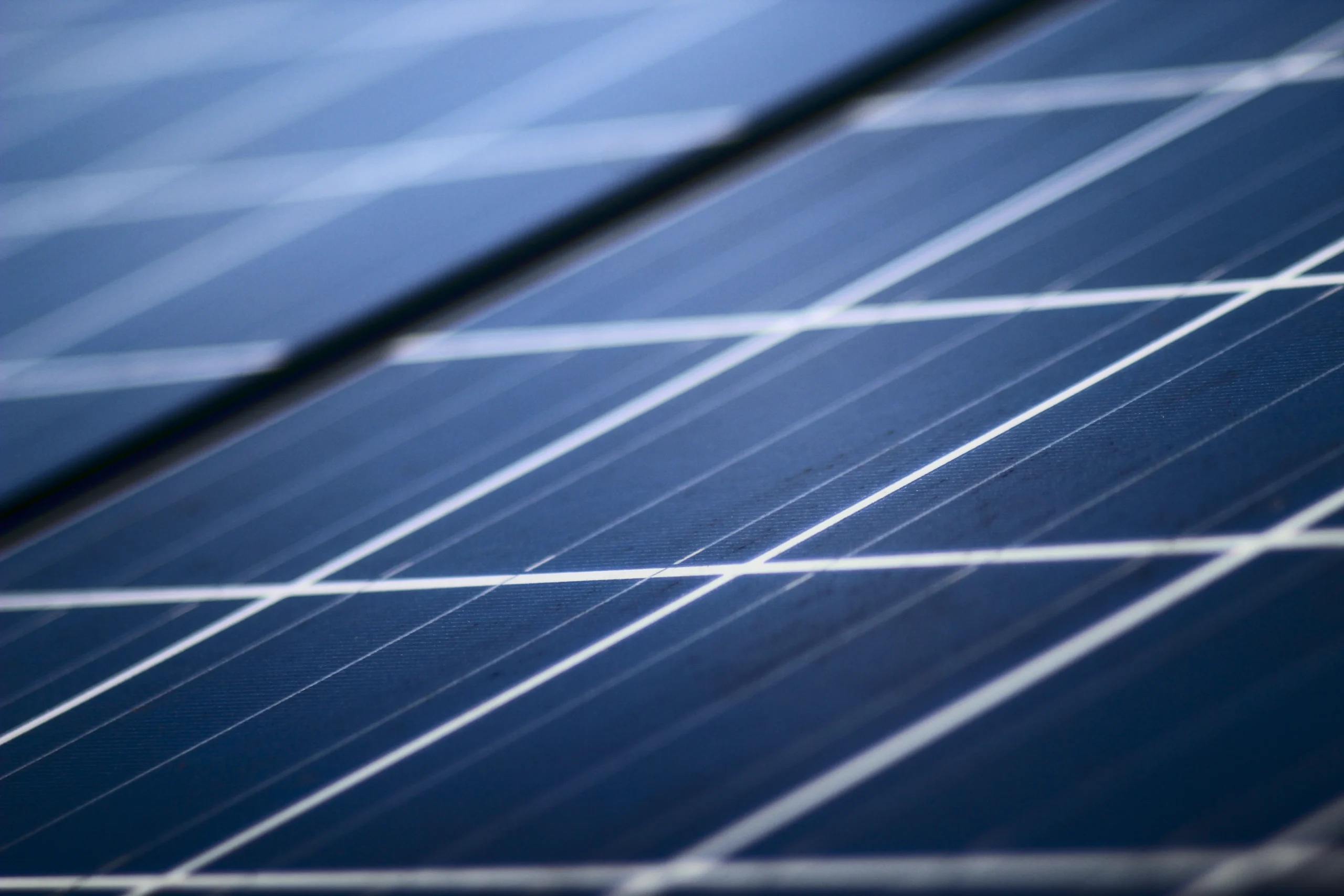
Plug-in solar panels often called "balcony solar" or plug-and-play kits have generated huge interest across the Cardiff. The promise of plugging a small solar kit directly into a standard 13A wall socket to offset daytime power consumption sounds ideal, especially for renters, flat owners, and budget-conscious households.
However, before plugging a kit into your home's wiring, understanding the safety requirements, regulations, and potential electrical risks is essential.
Are Plug-In Solar Panels Legal in the UK?
Yes. Following updates to UK wiring standards (BS 7671 Amendment 4) and grid regulations, compliant plug-in solar kits up to 800W are legally permitted in Great Britain.
However, "legal" does not mean buying an unverified kit online, plugging it in, and calling it a day. Strict safety frameworks govern these systems:
- 800W Output Cap: The micro-inverter feeding power into your sockets must be capped at a maximum of 800W (800VA).
- ENA Certification: The entire kit (panels, micro-inverter, cabling, and plug) must be registered and listed on the Energy Networks Association (ENA) approved list.
- Direct Socket Connection Only: Kits must use a factory-moulded 13A plug connected directly into a standard wall socket. Extension leads, multi-way adapters, or plugging into a lighting/spur circuit are strictly forbidden.
- DNO Notification: You must notify your local Distribution Network Operator (DNO) within 28 days of plugging the system in (using the simplified G98 online portal).


The Hidden Risk: Is Your Home’s Electrical System Ready?
While a plug-in kit is certified as a safe standalone product, it does not inspect or verify the wiring in your house.
When you plug in a solar kit, you are "back-feeding" electricity into an existing socket circuit. If your property’s electrical system is outdated or overloaded, this creates hidden risks:
- Outdated Fuse Boxes: Older consumer units with rewirable wire fuses or lack of modern RCD/RCBO protection cannot safely manage reverse power flow.
- Circuit Overloading: Feeding up to 800W into a ring main that already powers high-wattage kitchen or household appliances can overheat cabling behind the wall without tripping the circuit breaker.
- Incompatible RCDs: Certain older Type AC RCDs are not designed to handle bidirectional current from micro-inverters and may fail to trip during an electrical fault.
- Outdoor Socket Vulnerability:If plugging into an outdoor socket in a garden or balcony, the socket must meet at least IP55/IP65 weatherproofing standards to prevent moisture ingress and short-circuiting.
Checklist Before Installing Plug-In Solar
Before buying or installing a plug-and-play solar kit in Cardiff or South Wales, run through this quick safety checklist:
- Verify the Kit: Ensure the complete product is certified and listed on the ENA register—not just a cheap micro-inverter with a standard plug attached.
- Get an Electrical Inspection:Have a qualified electrician review your consumer unit and socket circuits to confirm your wiring and RCD protection can handle back-fed power.
- Check Your Tenancy / Freehold: If you rent or live in a leasehold property, confirm with your landlord or managing agent before mounting panels on balconies, walls, or roofs.
- Notify Your Network Operator:Complete the G98 notification with your local DNO so grid operators know generation is present at your address.

Need Advice on Solar or Household Electrical Safety?
What an electrician can actually check before you connect one.
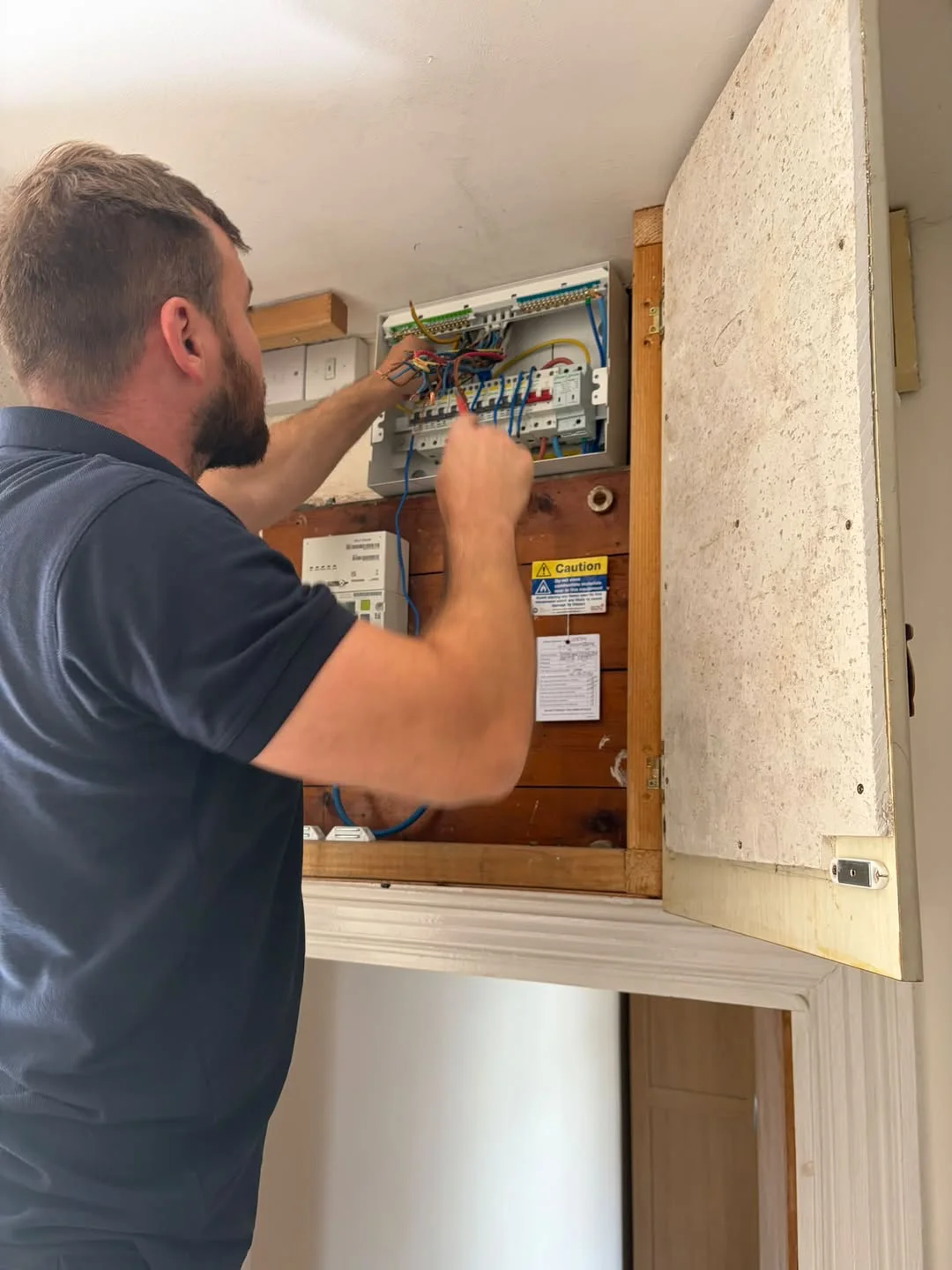
A plug-in solar system isn’t simply another appliance. It generates electricity and feeds it back into your home’s electrical installation.
Before connecting one, we can check:
The socket and circuit – Is the circuit suitable for the proposed connection?
RCD protection : Is the type of RCD installed appropriate for a system that can feed electricity back into the installation?
The condition of the wiring : Are there any signs of ageing, damage, loose connections or overheating?
Earthing and bonding : Are the protective arrangements satisfactory?
The consumer unit : Is the existing protection suitable, particularly in older installations?
Other generation : Does the property already have solar PV, battery storage or another source of generation?
We can then explain whether your installation appears suitable, or whether any remedial work should be considered before connecting the system.
The aim isn’t to stop you installing solar — it’s to make sure your home is electrically ready for it.
If you’re in Cardiff and thinking about plug-in solar, talk to an electrician before you plug it in. A small check now could prevent a much bigger problem later. Whether considering a plug-in solar kit, planning a full rooftop PV array, or wanting peace of mind that your consumer unit is safe for modern loads, Reliable Electricians Cardiff is here to help.
📞 Call our City & Guilds qualified team today on 07789 998 480 or contact us online to book an electrical safety check (EICR) or consumer unit upgrade.
